


Pull System
Guided Terminal Insertion
Overview
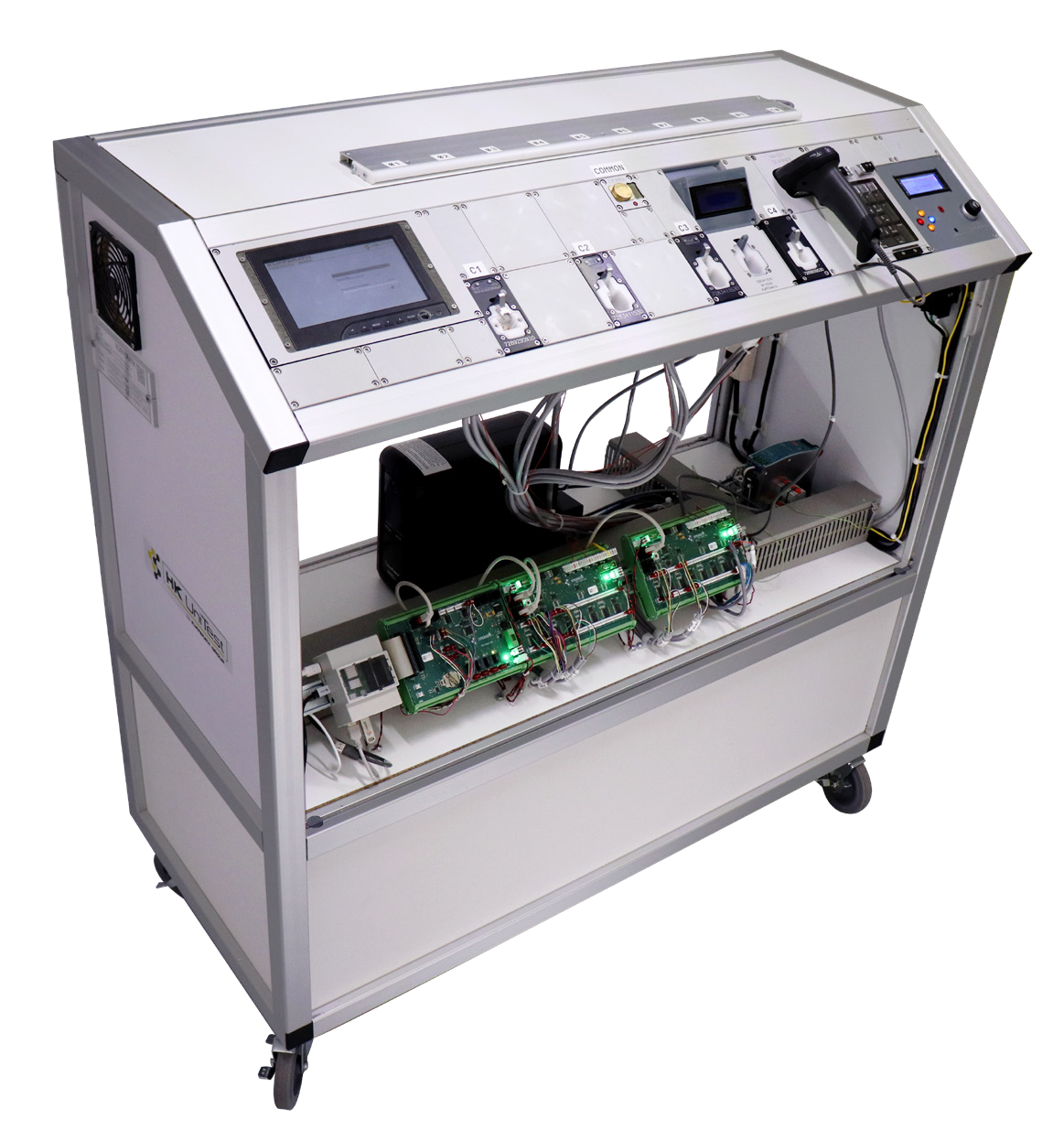
The Pull System module is a Kufferath Group test module designed with mechanical or pneumatic clamping. It guides the electrical test sequence of harness circuits in order to reduce incorrect cavity insertion and unsecured terminals caused by push-pull forces during electrical testing.
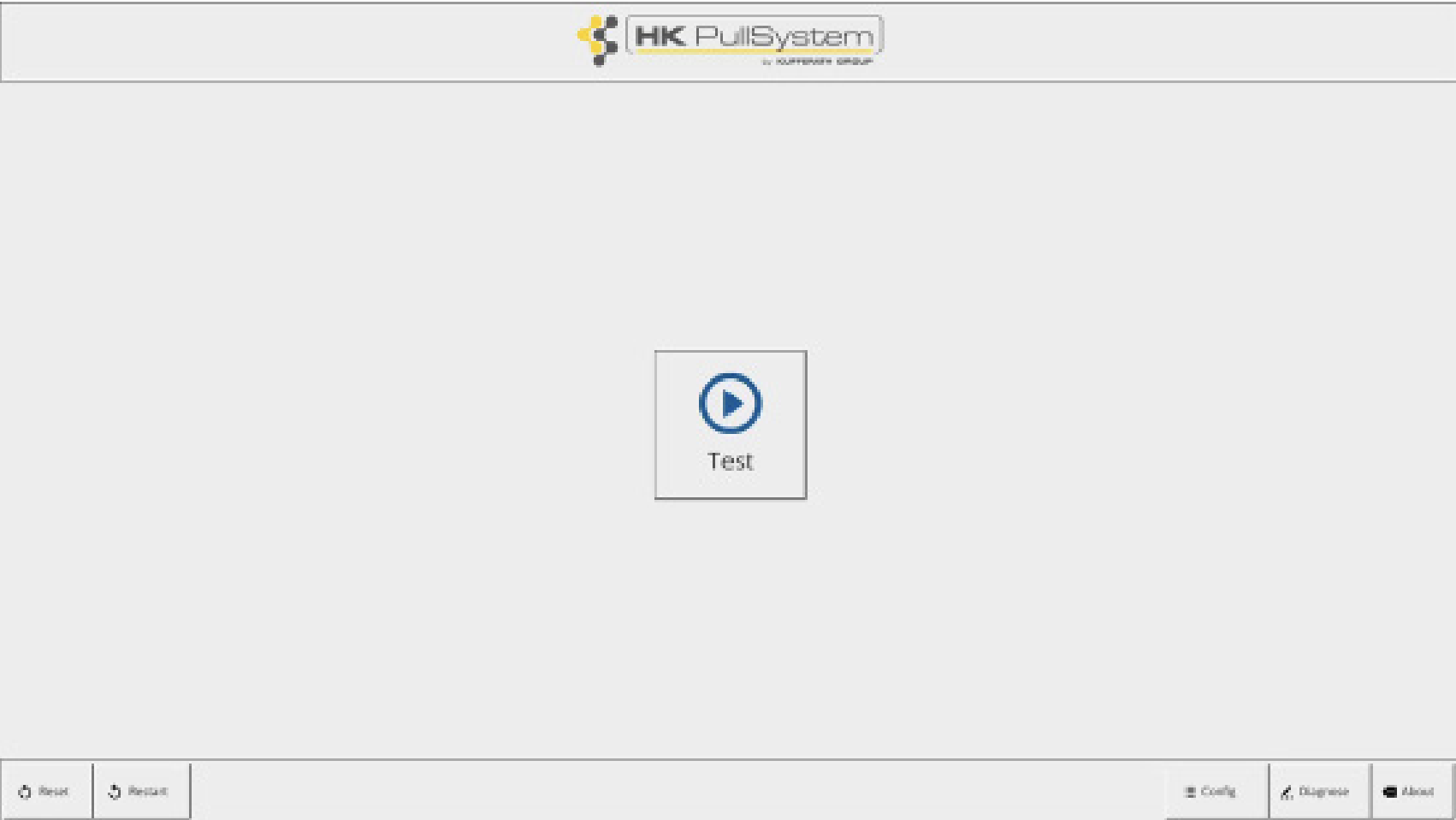
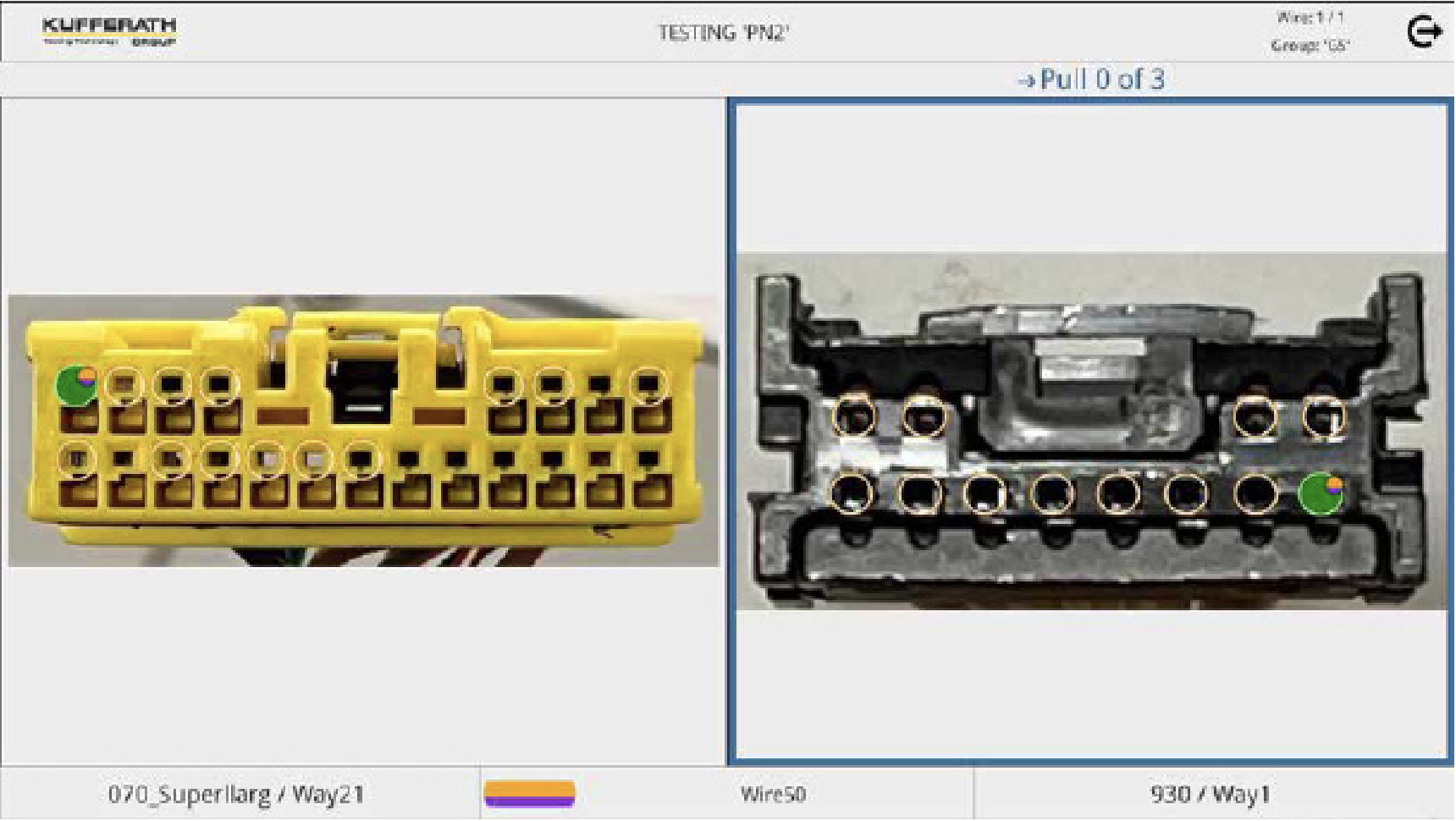
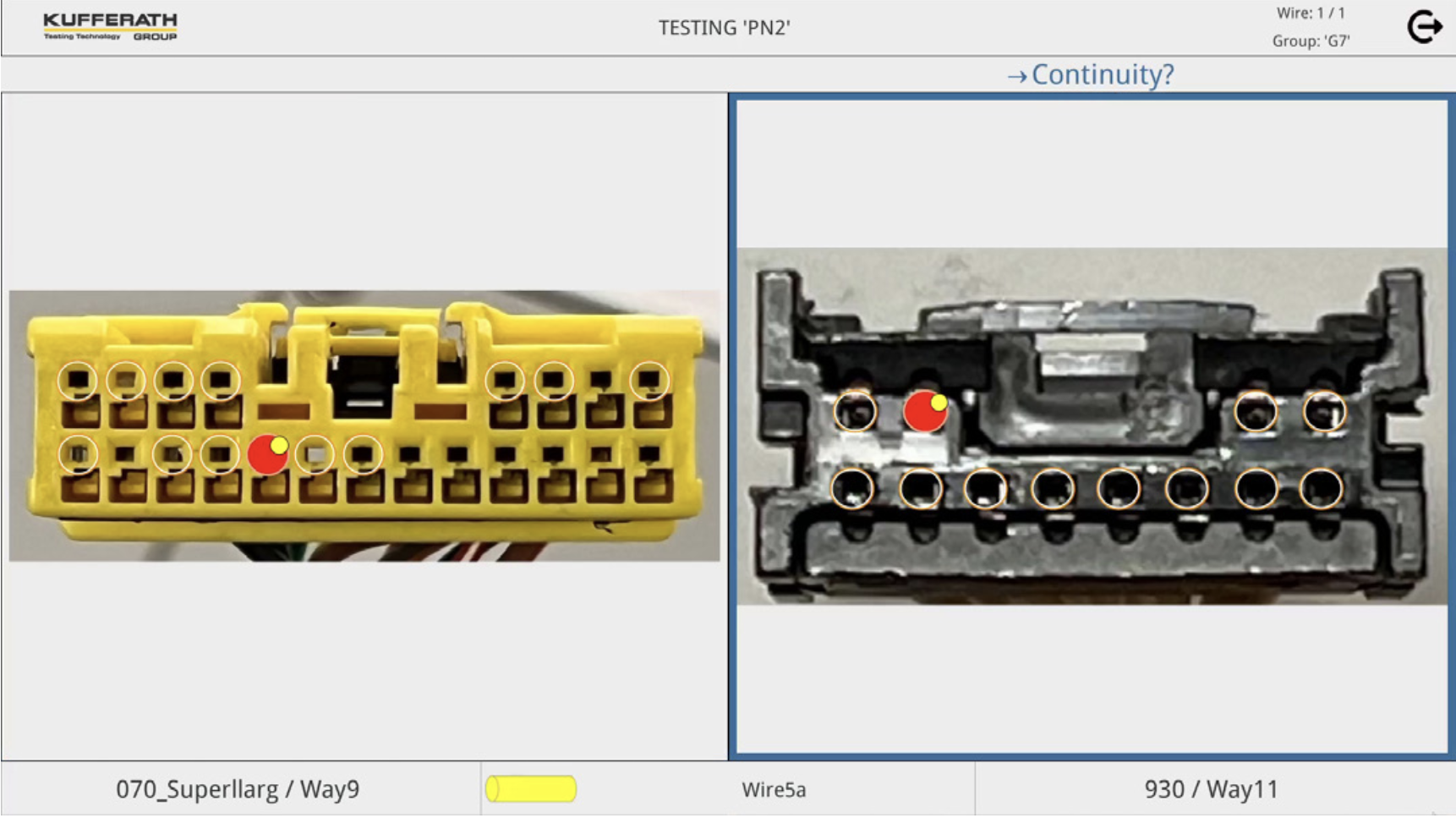
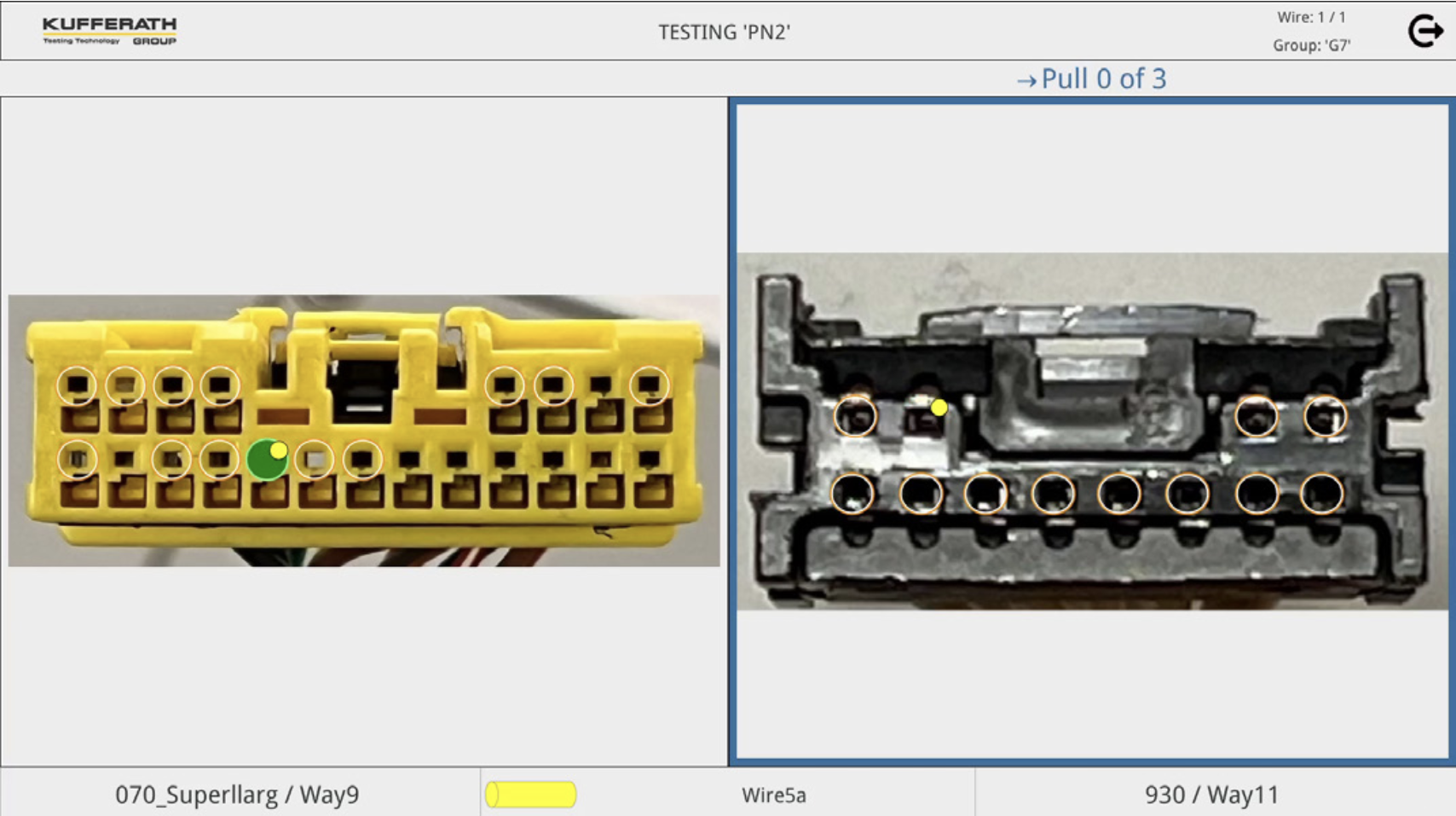
Software
The Special Pull Test is applied when customer-defined minimum or maximum terminal pull forces are specified. Pull force values are configurable according to customer requirements, with the defined force provided by the production environment. During testing with the Pull System, the test sequence is interrupted if the required pull force is not reached.
Module categories and specifications
Pull System modules are assigned to three assurance categories — A, B, and C — as defined in MPPS documentation. Each category provides a different level of process support.
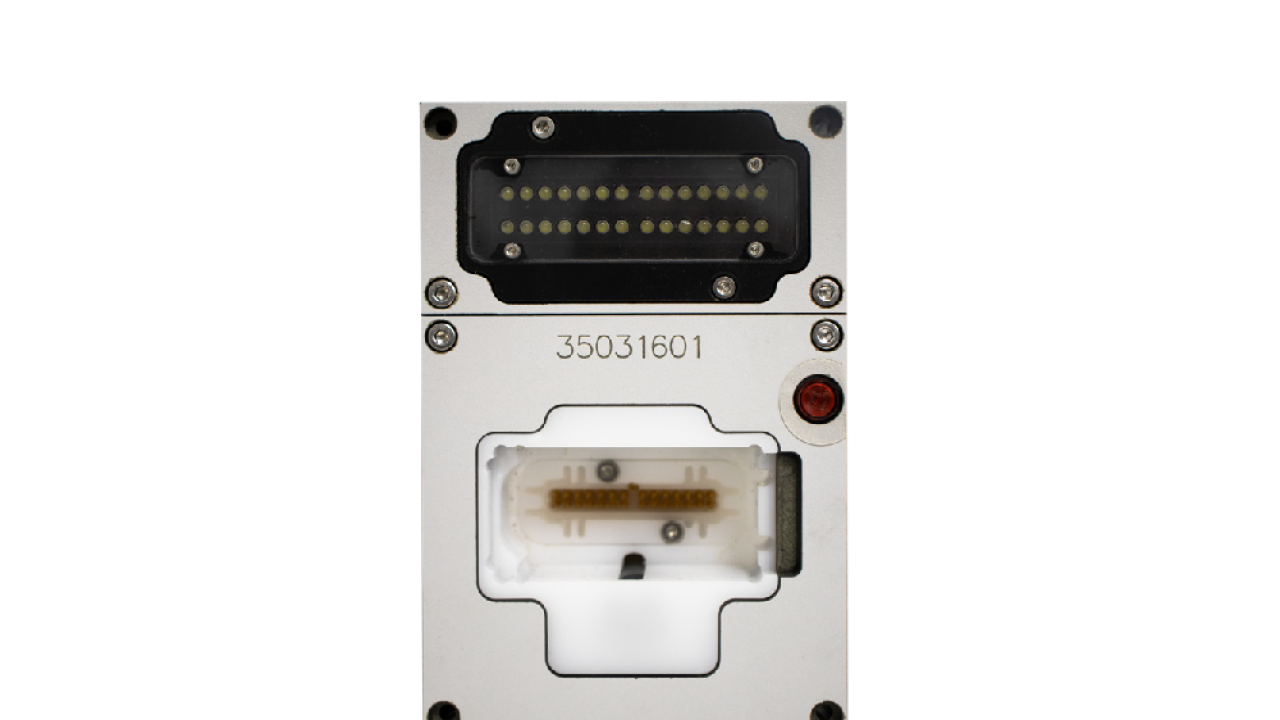
Category “A”
Category A supports correct circuit selection and insertion into the specified connector cavity and includes TPO detection to verify circuit continuity and correct positioning.
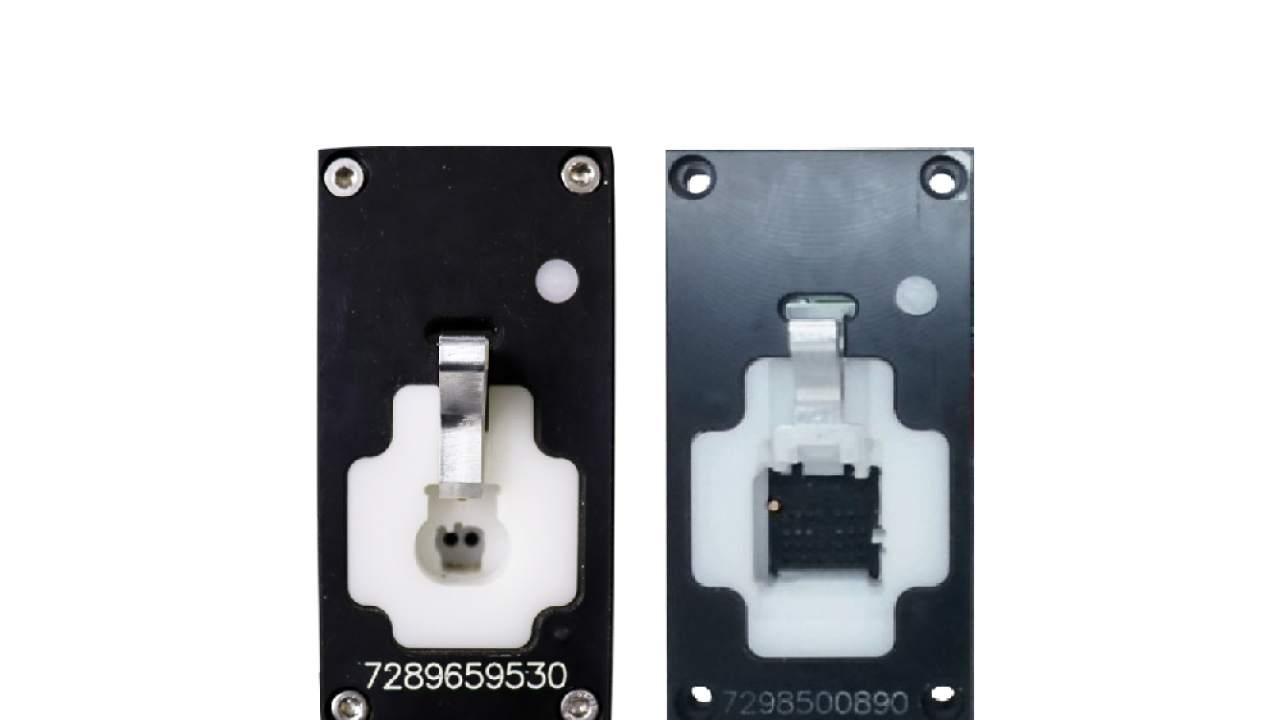
Category “B”
Category B supports correct circuit selection and insertion into the specified connector cavity and includes TPO detection.
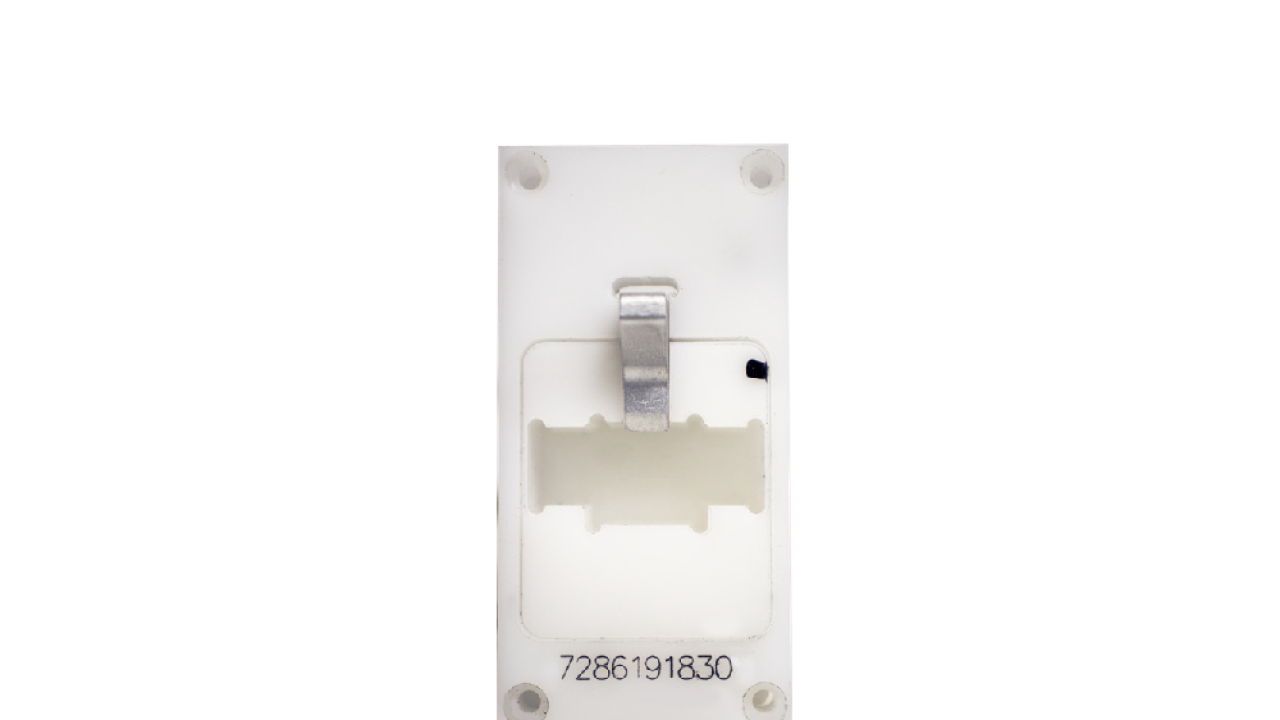
Category “C”
Category C supports circuit insertion through visual guidance (such as decals) and includes TPO detection.
Connector And Continuity Detection
For Category A systems, a Connector Detection Switch is used to detect the presence of a connector inserted into the module. Detection is performed via a ground reference and verifies circuit continuity. In this process, continuity is confirmed when the terminal at the opposite end makes contact with a brass or bronze grounding pin.
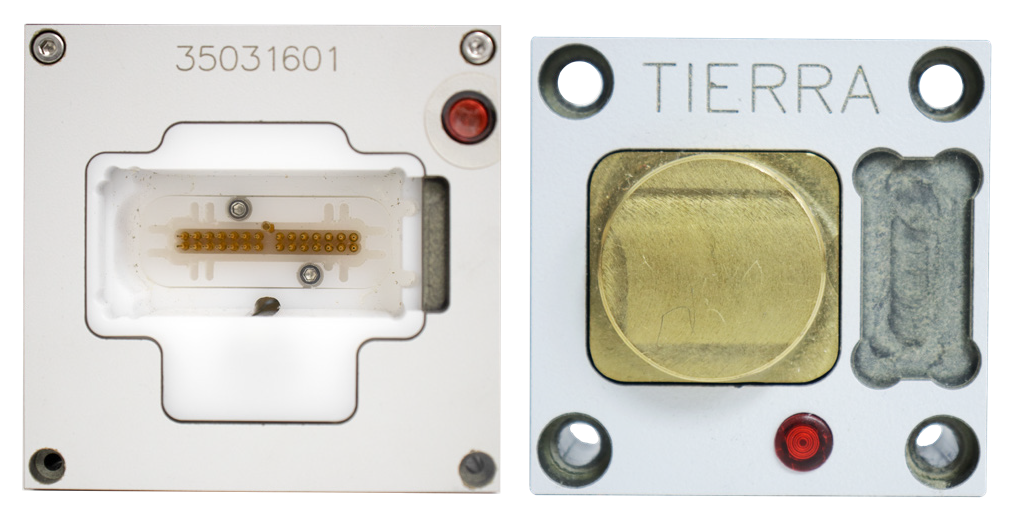
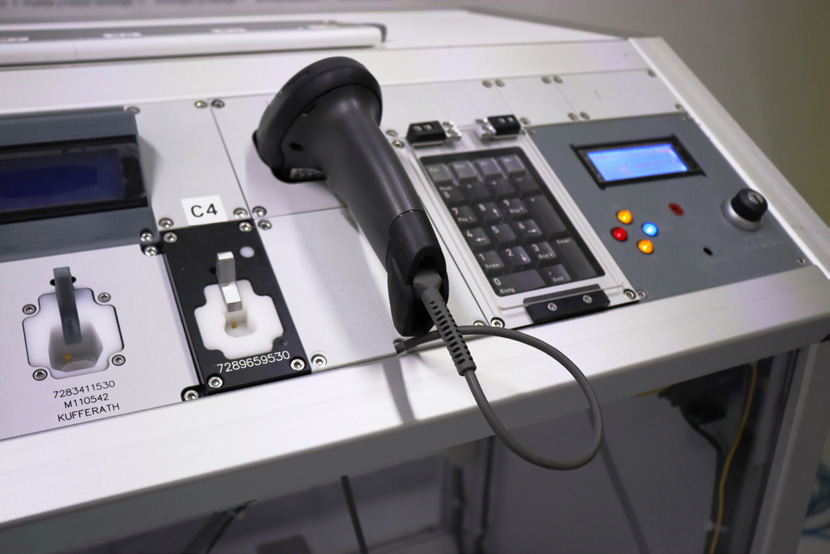
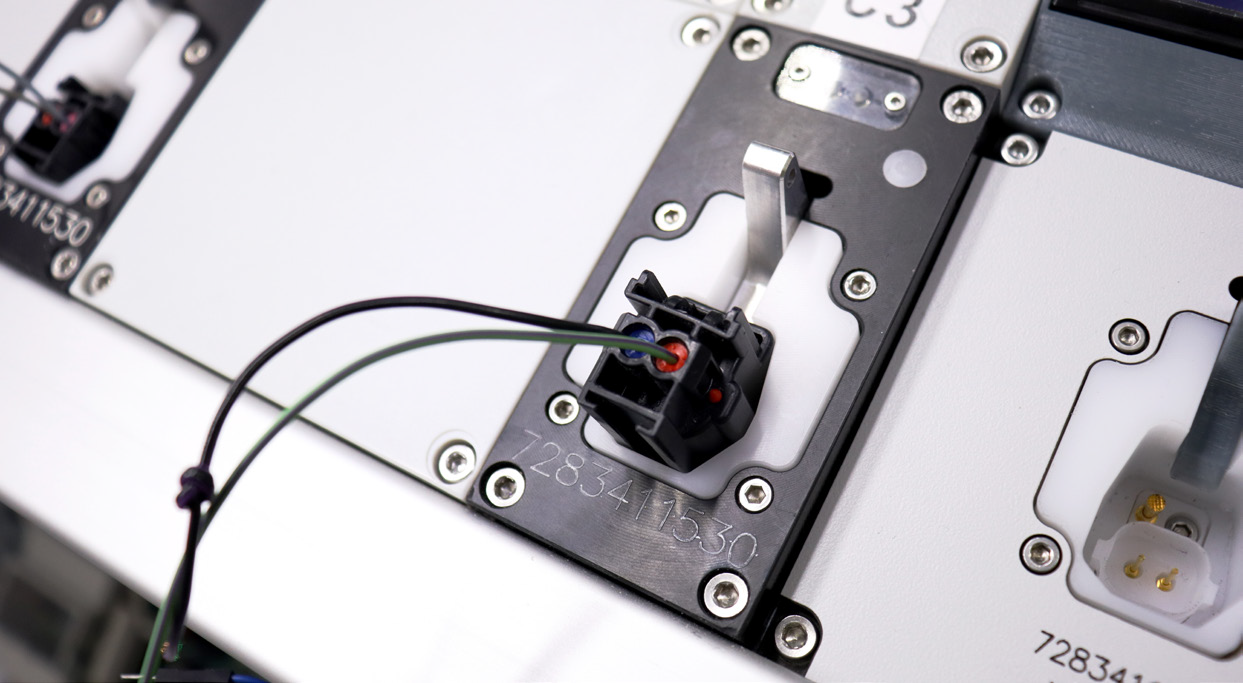
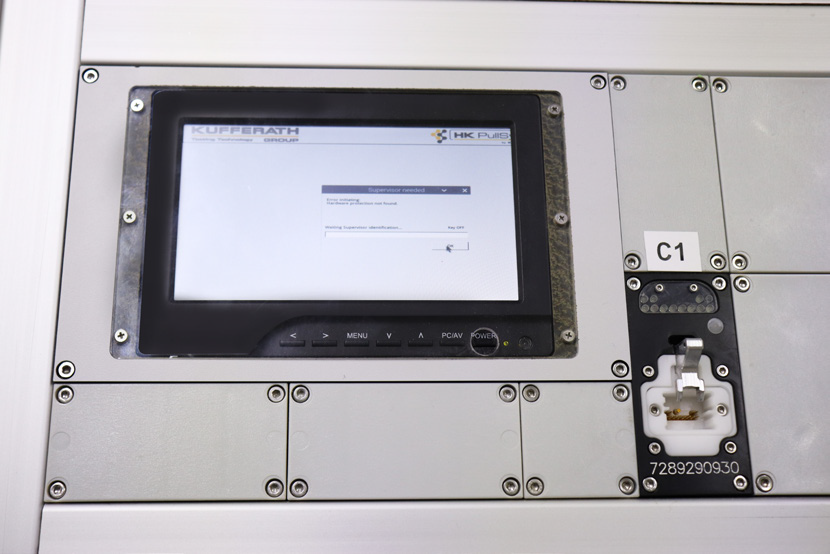
Different pull system modules
The operator is guided through the process by the Pull System equipment. Each wire is requested in a predefined sequence based on the programmed database.